Ask Elma

Expert hair and scalp guidance

Get practical hair and scalp guidance from Elma Titus, Netwurks Pro’s trichologist and educator.

Expert Trichologist

Meet Elma Titus

Whether you are worried about hair loss, scalp problems or simply want to understand your hair better, Elma is here to offer clear, practical and compassionate advice.

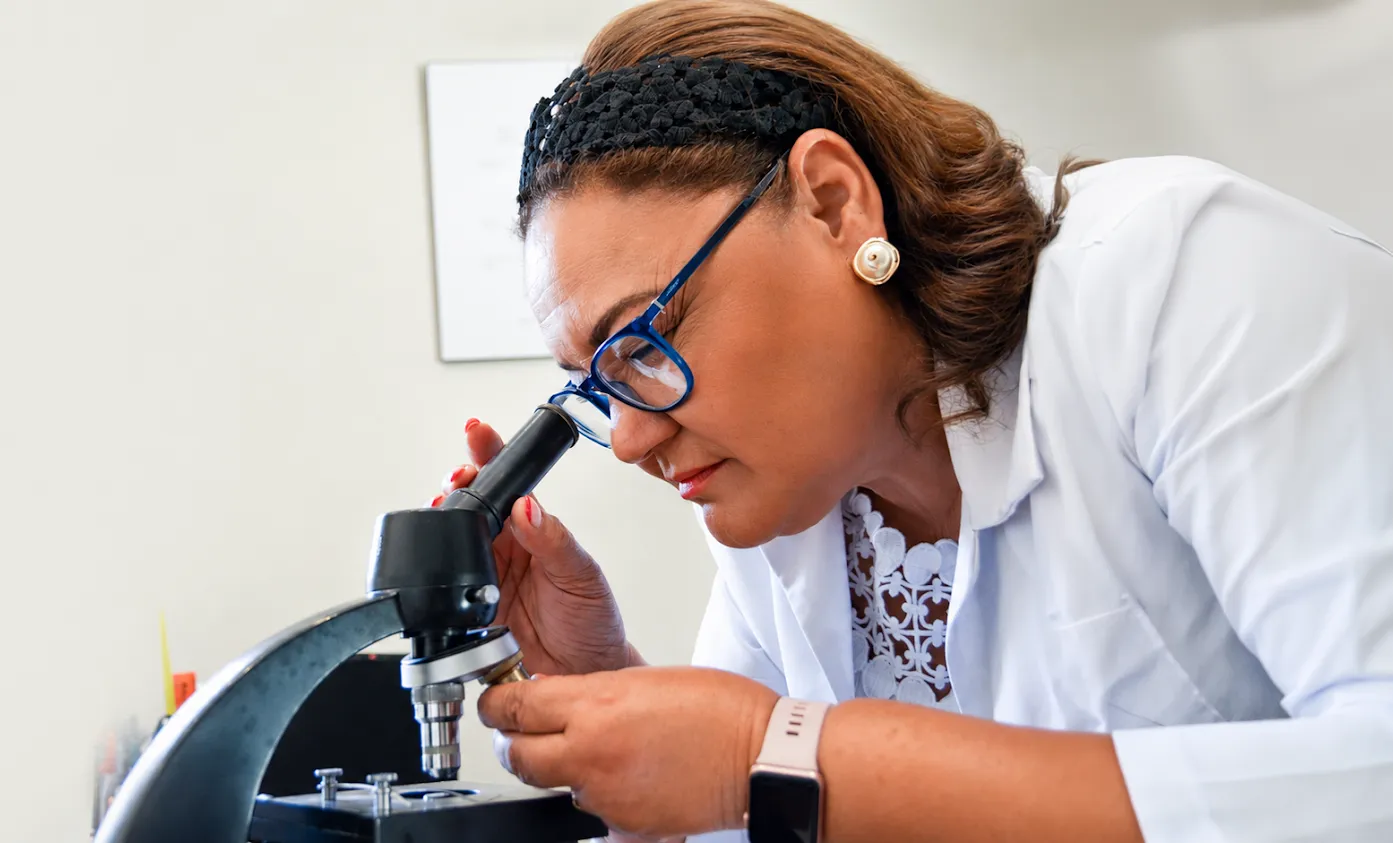
Elma Titus is a qualified trichologist, teacher, hairdresser and lecturer with a real passion for helping people understand their hair and scalp health.

With experience across all hair types and textures, Elma combines expert knowledge with a caring, down-to-earth approach. She also writes for magazines and shares hair and scalp advice on talk shows with Dr Green.

Elma studied trichology in Sydney, Australia, under the guidance of renowned trichologist David Salinger. In 2023, she received the prestigious Ronald Salinger Award at the Royal Society of Medicine in London, recognising her contribution to the advancement of trichology around the world.

Ask Elma

Have your own question for Elma?
Ask it here.

Great! We’ve received your information.

Elma's most commonly asked questions

Why is my hair suddenly falling out more than usual?

A sudden increase in shedding can happen after physical or emotional stress, illness, surgery, childbirth, hormonal changes, rapid weight loss or a major change in diet. This is often called telogen effluvium and may only become noticeable two to three months after the triggering event. 

The good news is that this type of shedding is often temporary. However, it is important to investigate ongoing or severe shedding so that the underlying cause can be identified.

It is normal to lose approximately 50 to 100 hairs a day as part of the natural hair-growth cycle. You may notice more hair on wash days, particularly if you do not wash or comb your hair every day. 

You should seek advice if the shedding increases suddenly, continues for several months, appears in handfuls or causes visible thinning.

Hair shedding occurs when a complete strand releases naturally from the follicle. You may notice a small white bulb at one end.

Breakage happens when the hair shaft snaps somewhere along its length. It is commonly associated with dryness, heat, chemical processing, tight styling or rough handling.

Hair loss refers to a reduction in hair density or areas where the hair is no longer growing normally. Some people can experience both excessive shedding and hair loss at the same time.

Hair can gradually become finer and less dense with age. Genetics, hormonal changes and male- or female-pattern hair loss may all contribute.

In women, early signs can include a widening parting, reduced volume or a thinner ponytail. In men, it often begins around the temples, hairline or crown.

Early assessment is important because different types of thinning require different approaches.

Yes. Significant emotional or physical stress can interrupt the normal hair-growth cycle and cause more hairs to enter the resting and shedding phase.

The shedding may only begin several months after the stressful event, which is why many people do not immediately connect the two. Once the trigger has passed, the hair often begins to recover, although regaining its previous fullness can take time.

Yes. Braids, weaves, ponytails, extensions and other styles that repeatedly pull on the roots can cause traction alopecia.

Early signs may include tenderness, bumps, broken hairs or thinning around the temples and hairline. Continued tension can eventually damage the follicles and may lead to permanent hair loss.

Protective styling should still protect your hair. It should not feel painful, excessively tight or place constant pressure on the same areas.

Yes. Hair health can be affected by inadequate protein, iron or overall calorie intake, as well as certain underlying nutritional deficiencies.

However, taking supplements without knowing whether you are deficient is not always helpful. Excessive amounts of some vitamins and minerals may actually worsen hair loss.

A balanced diet is important, and persistent shedding may require blood tests arranged by a medical professional.

An itchy or flaky scalp can have several causes, including dryness, product buildup, dandruff, sensitivity, eczema, psoriasis or a fungal condition.

Avoid scratching aggressively, as this can irritate the scalp and contribute to breakage. Use gentle scalp-care products and seek professional advice if you notice severe itching, thick scaling, sores, bleeding, pain or patches of hair loss.

A healthy scalp creates a better environment for healthy-looking hair, but scalp symptoms should not be ignored.

That depends on the cause.

Hair lost through temporary shedding may recover once the trigger has resolved. Hair affected by breakage may appear fuller as stronger strands grow and damaged lengths are gradually removed.

Genetic, autoimmune or scarring forms of hair loss require professional diagnosis and may need medical treatment. Sudden round or oval bald patches, for example, can be a sign of alopecia areata. 

The sooner the cause is identified, the better the opportunity to protect the remaining hair.

Seek professional advice when you notice:

  • Sudden or severe shedding
  • Smooth bald patches
  • A rapidly receding hairline
  • A widening parting
  • Persistent scalp pain, itching or inflammation
  • Hair loss accompanied by fatigue, weight changes or other symptoms
  • Hair loss lasting longer than three to six months
  • Signs of scarring or shiny areas on the scalp

A trichologist can assess your haircare practices, scalp condition and pattern of hair loss, and help guide your next steps. Where a medical condition is suspected, you should be referred to a doctor or dermatologist for diagnosis, blood tests or treatment. Effective treatment begins with identifying the correct cause. 

The information provided by Ask Elma is for general hair and scalp education and does not replace medical diagnosis or treatment.