Home » All Articles » Hair Changes During Perimenopause and Menopause
Hair Changes During Perimenopause and Menopause
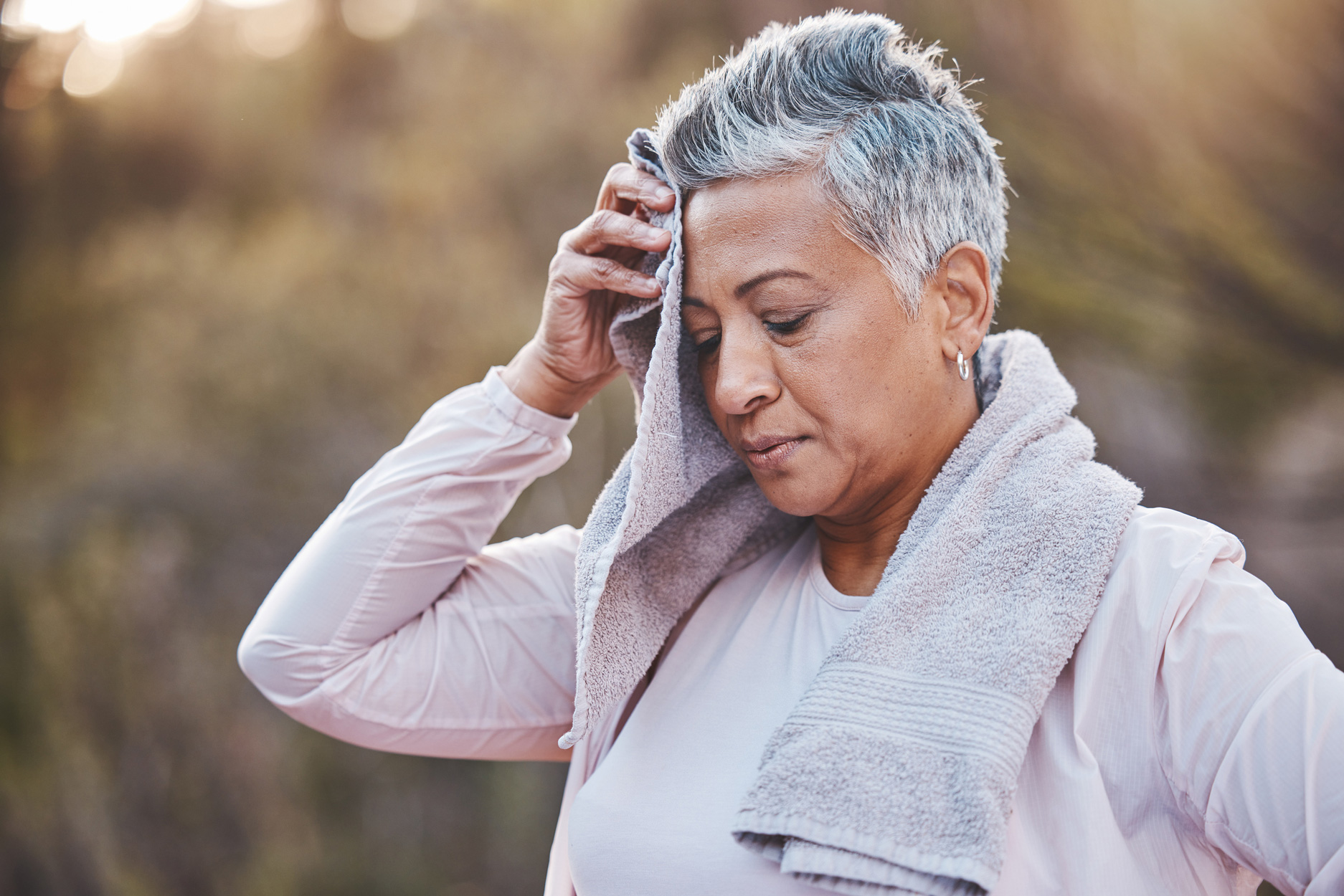
Perimenopause and menopause can bring changes to hair density, texture, oil production and manageability. These experiences vary, and hormones are only one part of the picture.
Why hair may change
Oestrogen and other hormonal changes can influence the hair cycle and the characteristics of skin and hair. Some women notice reduced density, a wider part, finer strands, increased facial hair, dryness or changes in texture. Genetics, stress, thyroid function, medication, nutrition and general health may contribute at the same time.
Do not assume every change is “just menopause”
Pattern hair loss, telogen effluvium, iron deficiency, thyroid disease and inflammatory scalp conditions can overlap with the menopausal years. A significant or persistent change deserves assessment rather than being dismissed as an unavoidable part of ageing.
What a gentle routine can support
- Regular cleansing suited to the scalp
- Conditioning for drier or more fragile lengths
- Lower-tension styling
- Less aggressive heat and chemical processing
- Careful detangling to minimise breakage
- Sun protection for exposed scalp areas
Medical treatment and cosmetic care are different
A clinician may discuss evidence-based treatments when a diagnosable hair-loss condition is present. Cosmetic products can improve feel, manageability and the appearance of the hair, but they do not replace medical treatment.
The Netwurks Pro approach
Netwurks Pro is relevant to the cosmetic needs that often accompany midlife hair changes: dryness, fragility, scalp comfort, tangling and breakage. The brand can confidently speak to supportive care while avoiding claims that the range stops hormonal hair loss or reverses female-pattern thinning.