Home » All Articles » Hair Loss » Hair Loss Can Be Emotionally Difficult — and Recovery Takes Time
Hair Loss Can Be Emotionally Difficult — and Recovery Takes Time
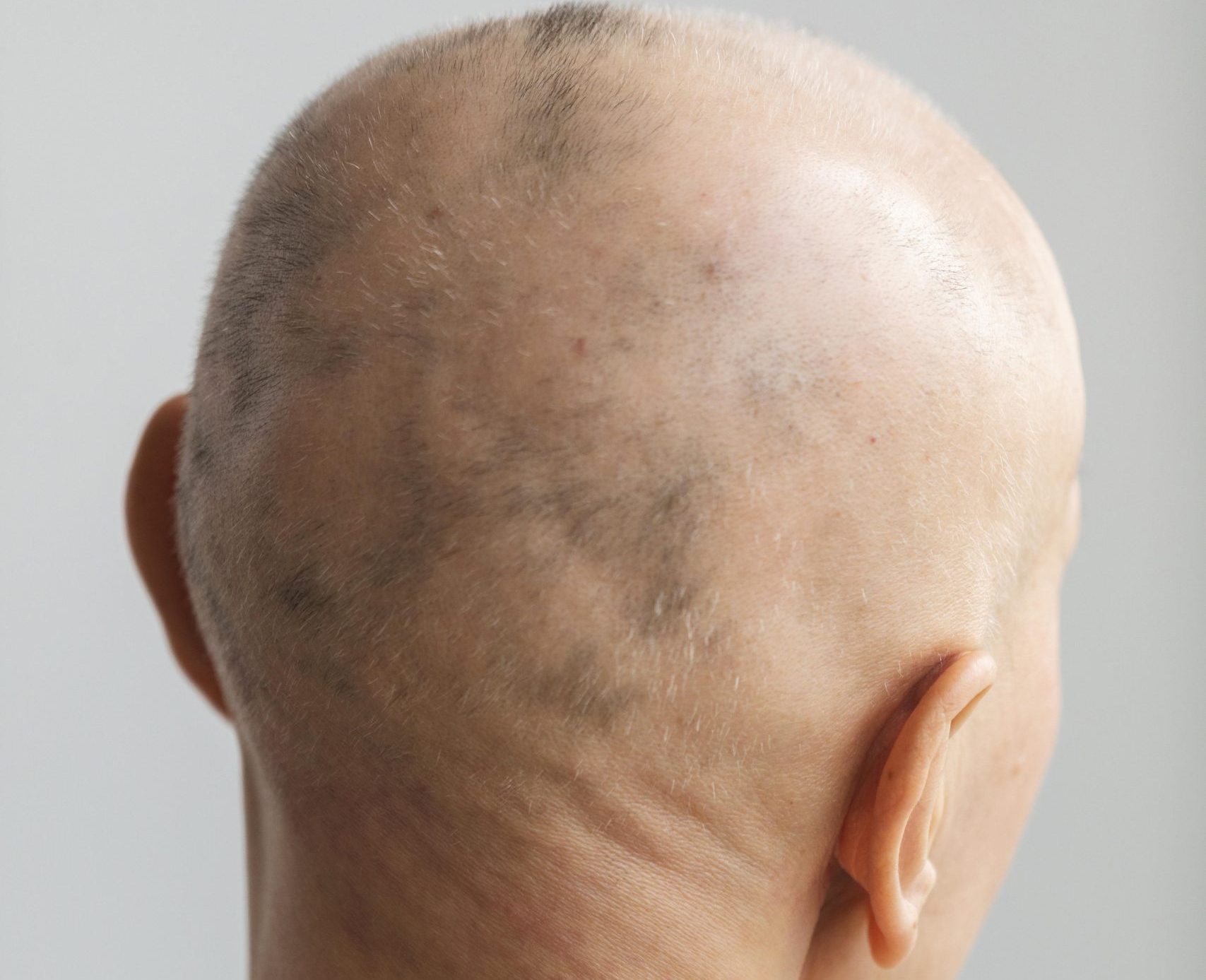
Hair loss is not merely a cosmetic concern.
For many people, their hair is closely connected to confidence, identity, culture and the way they present themselves to the world. When it begins to thin or shed excessively, the emotional effects can be significant.
People may feel anxious when washing their hair. They may avoid mirrors, photographs, social occasions or certain hairstyles. Some become afraid to brush or touch their hair because they worry that more will come out.
These feelings are real and should not be dismissed. Hair loss can be emotionally difficult, and people experiencing significant loss may benefit from professional and psychological support alongside appropriate hair and scalp care. Medical sources similarly recognise that both temporary and permanent hair loss can have an important emotional impact.
Why hair loss is sometimes misdiagnosed
There are many different causes of hair loss, and several conditions can look similar during their early stages.
Excessive shedding caused by stress or illness is different from inherited pattern thinning. Hair broken by chemical or mechanical damage is different from hair released from the follicle. Circular patches may require a different investigation from gradual thinning across the crown.
A proper assessment should consider:
- When the change started
- Whether it began suddenly or gradually
- The areas of the scalp affected
- Recent illness, surgery or emotional stress
- Pregnancy or hormonal changes
- Medication
- Diet and weight changes
- Family history
- Styling and chemical practices
- The health of the scalp
- Other symptoms elsewhere in the body
There is rarely one treatment that is suitable for every person.
There is usually no overnight solution
Hair grows slowly and follows a biological cycle. Even after the underlying trigger has been addressed, the follicles need time to move back into an active growth phase and produce visible new strands.
For this reason, patience and consistency are essential.
In many cases, it may take approximately three months before early changes become noticeable. Depending on the cause, density, length and severity of the condition, meaningful improvement may take considerably longer. Telogen effluvium, for example, often begins a few months after a physical or emotional stressor. It can then take several additional months for shedding to settle and for new growth to become visible.
Telogen effluvium, for example, often begins a few months after a physical or emotional stressor. It can then take several additional months for shedding to settle and for new growth to become visible.
No responsible professional should promise instant regrowth or guaranteed results without first understanding the cause.
Focus on progress, not perfection
During treatment, progress may appear as:
- Less hair being shed
- Short new hairs appearing around the hairline
- Improved scalp comfort
- Reduced breakage
- A fuller-feeling ponytail
- Improved strength and manageability
- Gradual improvement in scalp coverage
Photographs taken under the same lighting and from the same angle can help track small changes that may be difficult to notice from day to day.
Hair recovery is a process. Be patient with your hair and with yourself. Seek credible advice, follow a consistent routine and remember that early investigation often gives you the best opportunity to understand what is happening.